Digestion of Fats: The Role of Enzymes and Lipoproteins
The human body is a marvel of biological engineering, capable of breaking down a variety of nutrients to extract the energy and building blocks it...


When you think of summer, the image of a juicy, sweet melon often comes to mind. This versatile fruit, known for its imposing size, vibrant orange color, and refreshing taste, is a staple of the warm season. But there's much more to the melon than meets the eye. Let's explore its fascinating origins, botanical characteristics, varieties, and the nutritional benefits it offers.
The geographical origin of melons is a topic of ongoing debate among scholars. While some argue that the fruit originates from Asia, others propose Africa as its birthplace. Regardless of its origins, the cultivation of melons has now spread across the globe, with the fruit being grown in a diverse range of climates and soils.
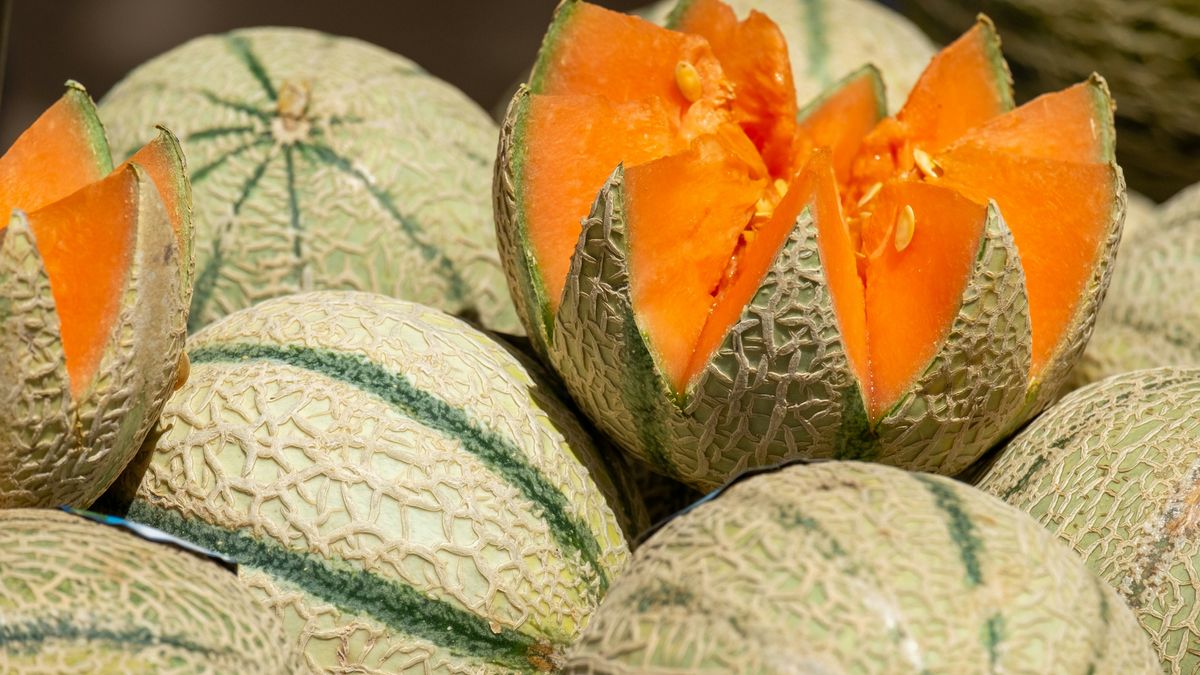
Melons are demanding plants, requiring a hot climate, deep and well-drained soil, and a low level of humidity. Due to these specific climatic requirements, melons are often grown in greenhouses.
From a botanical perspective, the melon is known as Cucumis melo and belongs to the Curcubitaceae family. It's an annual plant with a main stem that can either creep along the ground or branch out and climb, given the right support.
The melon plant is characterized by lobed, kidney-shaped, and rounded leaves, and highly developed roots that spread both deep and wide. The fruit itself, a peponid, is easily recognizable by its size and weight, ranging from 0.4 to 4 kg. The melon consists of a hard peel, a pulpy and juicy mesocarp, and numerous seeds set in a somewhat spongy, fibrous mass.
Melons can be broadly categorized into "fruit" melons and "vegetable" melons based on their consumption patterns. The "fruit" melons are the sweet, typically summer fruits harvested when fully ripe. Within this category, we find reticulate melons, inodorus type melons, and cantaloupe melons.
The "vegetable" melons, on the other hand, are harvested before ripening. These include bitter melons, known for their medicinal properties due to their rich antioxidant vitamins, and snake or torterello melons, used in salads like cucumbers.
Contrary to the common association of melons with summer, there exists a variety known as the winter melon. Typical of the cold months, winter melons have a smooth, yellow pericarp and a white, fleshy pulp. They are less sweet and more delicate than their summer counterparts, but they have a longer shelf life.
Storing melons correctly is crucial to maintaining their freshness and flavor. Summer melons should be stored in the fridge at a temperature no lower than 5°C. If the temperature drops below this threshold, the fruit can develop red spots in the pulp, leading to softening. If the melon is not ripe, it is preferable to store it at room temperature to speed up the ripening process.
Despite its sweet taste, the melon is a low-calorie food, making it a perfect choice for those following a low-calorie diet. It's a rich source of vitamins and mineral salts, especially vitamins A and C, and potassium.
Melons are packed with health benefits. They are highly antioxidant, making them recommended for sunbathers as they stimulate the production of melanin, promoting tanning and protecting the skin from solar radiation. Melons are also believed to strengthen visual capacity, teeth, and bones. In folk medicine, they are considered an excellent purifier, diuretic, and refresher.