Crohn's Disease: Causes, Symptoms and Complications
Crohn's disease is a chronic inflammatory condition that predominantly affects the digestive system. This condition can manifest in any section of the gastrointestinal tract, from...


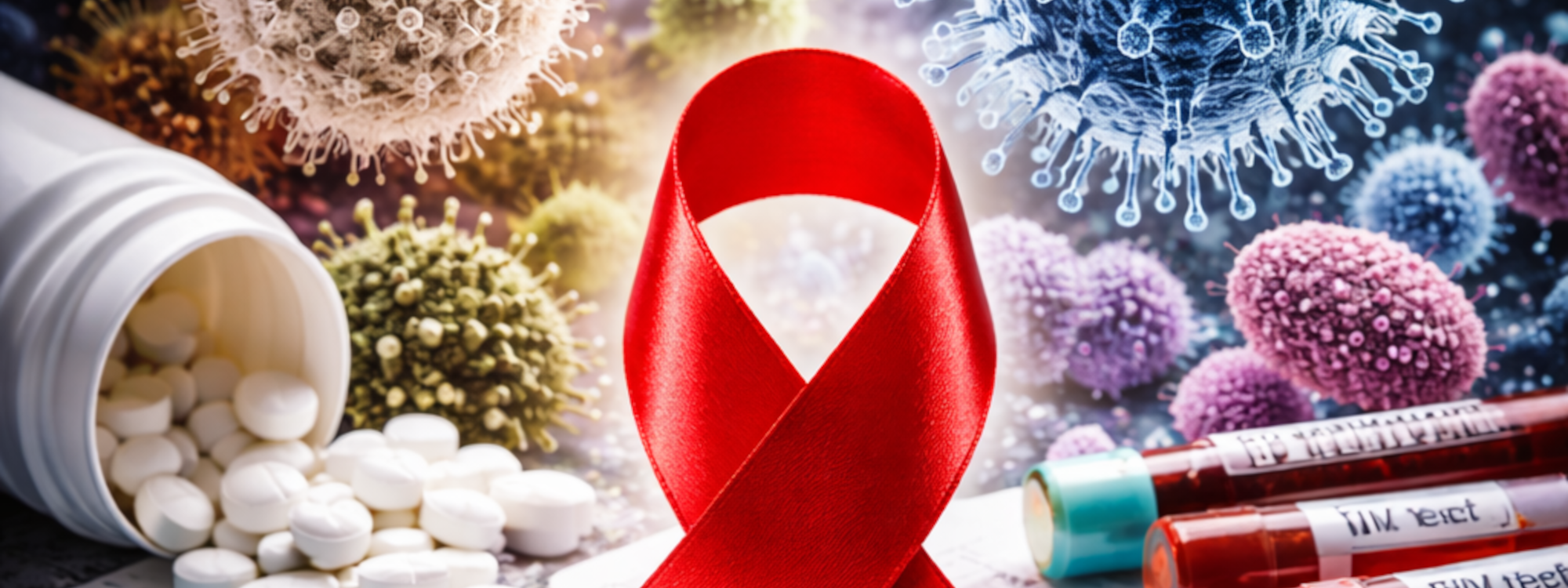
Acquired Immunodeficiency Syndrome (AIDS) is a serious health condition that weakens the immune system, making it difficult for the body to fight off diseases and infections. This blog post aims to delve into the topic of AIDS, focusing on opportunistic infections and tumors that are common in individuals with this condition.
Opportunistic infections are illnesses that occur more frequently and are more severe in individuals with weakened immune systems, including those with AIDS. These infections are caused by various microorganisms like viruses, bacteria, fungi, and protozoa, which are usually harmless in individuals with a healthy immune system. However, in individuals with AIDS, these microorganisms can cause severe diseases due to the lack of immunity.
Opportunistic infections can affect various organs and systems in the body. Here are some of the most common:
Individuals living with AIDS (Acquired Immunodeficiency Syndrome) face a significantly increased risk of developing certain types of cancer due to severe immune system suppression caused by HIV infection. Among the most strongly associated malignancies are Kaposi’s sarcoma and non-Hodgkin lymphoma, both considered AIDS-defining cancers. Their occurrence is substantially higher in people with AIDS compared to the general population, and their presence can play a crucial role in confirming an AIDS diagnosis.
In addition to these malignancies, other cancers are also observed more frequently in individuals with AIDS. These include Hodgkin lymphoma and invasive carcinoma of the uterine cervix. The weakened immune response in affected individuals reduces the body’s ability to control oncogenic viruses and abnormal cell growth, contributing to increased cancer susceptibility.
Notably, cancers in patients with AIDS often present at more advanced stages, may appear in atypical anatomical locations, and tend to follow a more aggressive clinical course. Early detection, consistent antiretroviral therapy (ART), and regular medical monitoring are therefore essential in reducing cancer risk and improving overall prognosis in people living with HIV/AIDS.