Quail Eggs
Quail eggs are a delicacy that has been savored for centuries. The eggs are produced by the Japanese quail, a bird species that belongs to...


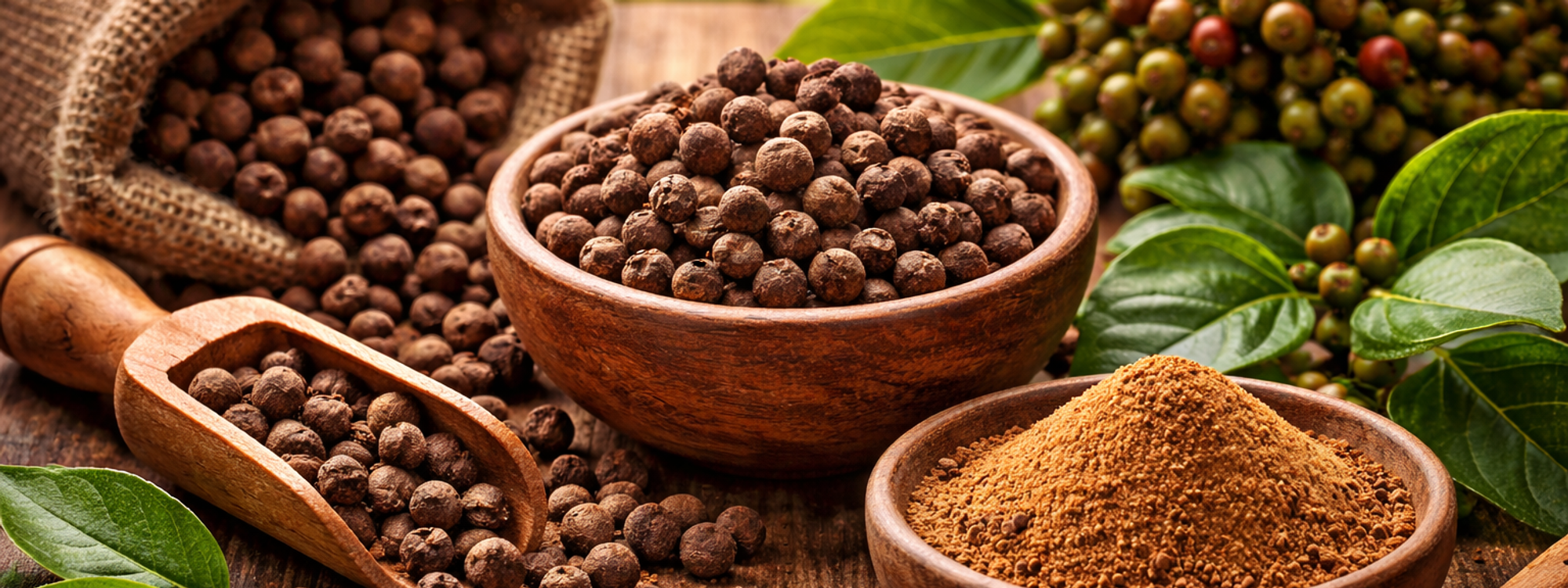
Allspice, known scientifically as Pimento, is a versatile spice that is cherished across the globe. Derived from the dried berries of an evergreen shrub, allspice is part of the Myrtaceae family, which also includes the myrtle plant. This spice has a unique aroma that combines the scents of several spices, including cinnamon, nutmeg, and cloves, hence its name "allspice."
Allspice holds a significant place in various cuisines around the world, thanks to its distinctive flavor. It is a crucial ingredient in Caribbean cuisine and is often used in jerk seasoning, pickling, and even in some cured meats. Allspice is also a staple in Middle Eastern dishes, particularly in stews and meat-based recipes.

In addition to its culinary uses, allspice is also used in other ways. Its essential oil, for example, is often used as a deodorant and flavoring for toothpaste. Allspice leaves, similar to bay leaves, can be used in cooking, while the wood of the allspice plant is commonly used for smoking meat.
Allspice is not just a culinary delight but also possesses several health benefits. The primary active ingredient in allspice is eugenol, an essential oil. This spice has been used in traditional medicine to treat a variety of conditions such as dyspepsia, intestinal gas, abdominal pain, menstrual cramps, and even type 2 diabetes and obesity.
Topical application of allspice can provide relief from muscle pain and toothache, and it also has antibacterial properties. However, it's important to note that while allspice is generally safe for most adults, it can cause allergic skin reactions in some individuals.
Despite its numerous benefits, it's important to take precautions when consuming allspice, especially in medicinal quantities. For instance, pregnant and breastfeeding women are advised to avoid taking allspice in medicinal amounts.
Allspice can slow blood clotting, which may increase the risk of bleeding during and after surgery. Consequently, it's recommended to stop taking allspice at least two weeks before a surgical procedure.
Moreover, allspice can interact with medications that affect blood clotting. Therefore, it's advisable to avoid combining allspice or eugenol with certain medications, such as aspirin, clopidogrel, and warfarin, among others.
The production of allspice involves harvesting the berries while they're still green and unripe. These berries are then traditionally sun-dried until they turn brown and resemble large black pepper grains.
The allspice plant is native to the region between the Greater Antilles, Southern Mexico, and Central America but is now cultivated in many parts of the world. This evergreen shrub can grow up to 10-18 meters in height and is often grown to provide shade to coffee trees.
Allspice plants multiply through seeds, which require specific conditions to germinate. In the past, it was believed that allspice could only grow in certain regions because the berries needed to pass through a bird's digestive tract to become active. However, it is now understood that the berries can be naturally spread by avian species in different parts of the world.
In conclusion, allspice is a versatile and beneficial spice that is cherished in various cultures for its distinctive flavor and health benefits. Whether used in cooking, as an essential oil, or even in traditional medicine, allspice truly lives up to its name as the "all spice."