Parkinson's: What it is, Causes and Symptoms
Parkinson's disease is a neurodegenerative disorder that primarily affects the central nervous system. This condition is linked to the degeneration of nerve cells situated in...


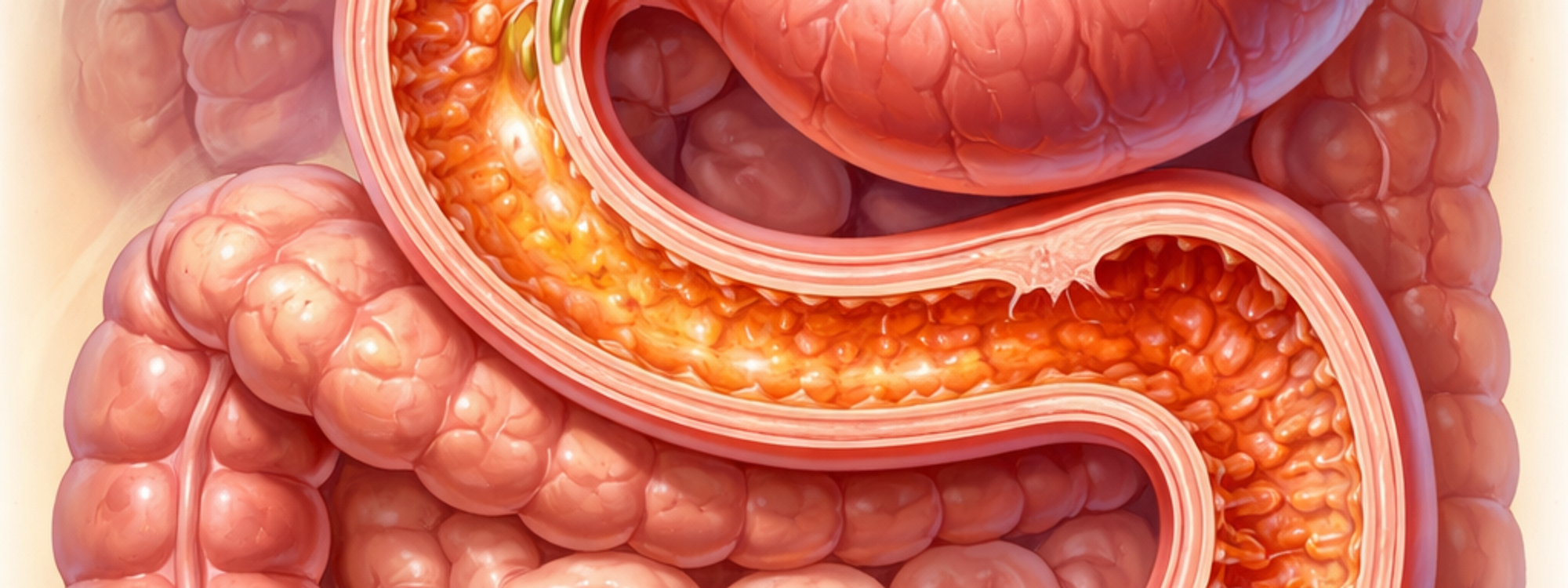
The human body is a complex structure, and one of its most important components is the digestive system. Among the various parts of this intricate system, the duodenum holds a significant position.
The duodenum forms the initial segment of the small intestine, a lengthy passage that extends from the final part of the stomach to the initial section of the large intestine. It is one of three sections of the small intestine, along with the jejunum and ileum.
The duodenum is separated from the stomach by the pyloric sphincter, a muscular ring that regulates the passage of food from the stomach to the intestine. This controlled release ensures that digestive enzymes and juices can adequately process the food before more is introduced.
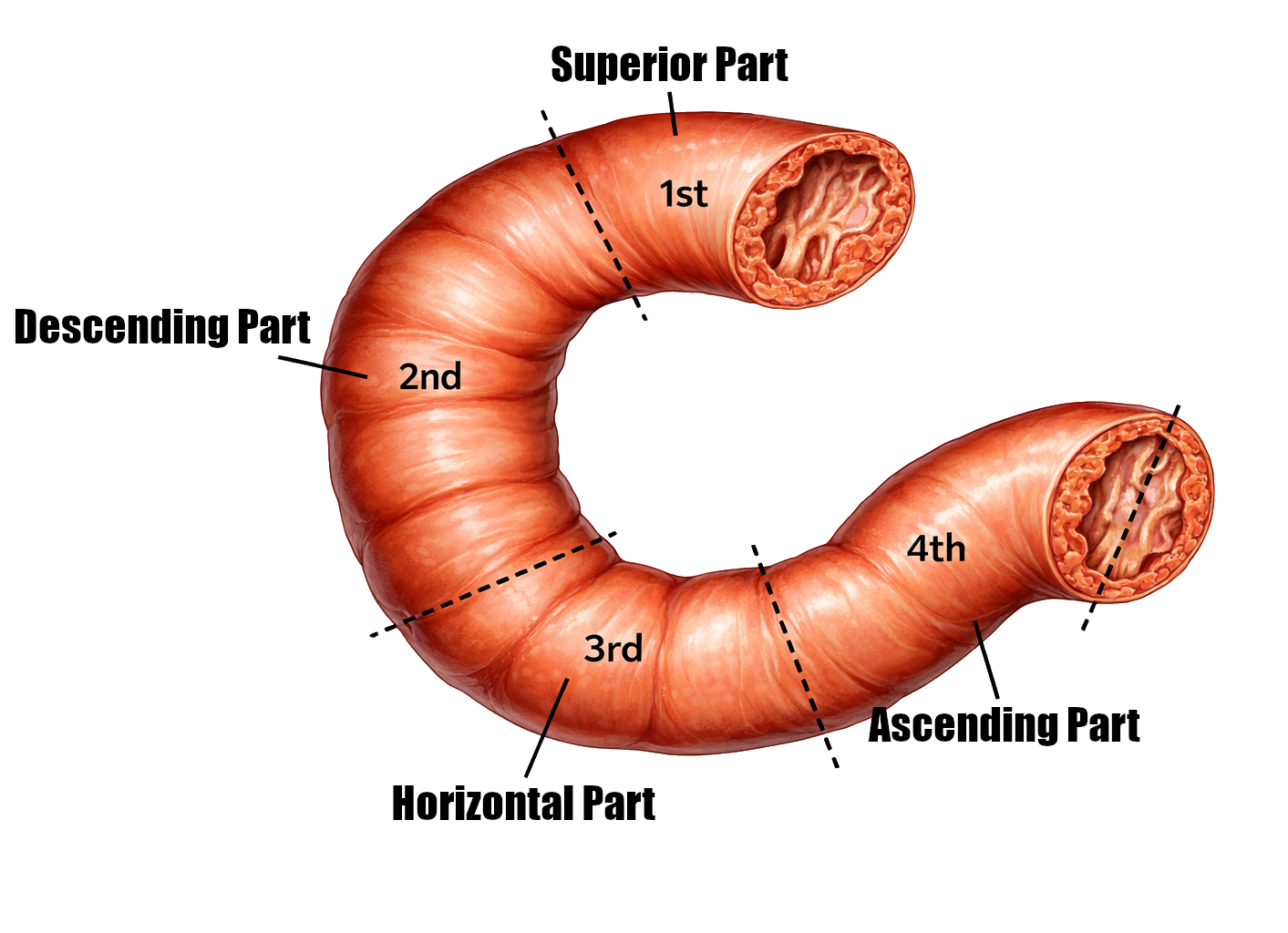
The duodenum is the shortest segment of the small intestine, measuring about 25-30 centimeters in length, but its role in digestion is crucial. The term "duodenum" is derived from the Latin words for "twelve fingers," referring to its approximate length. This section of the small intestine is also relatively wide and fixed due to its close proximity to the posterior abdominal wall. In terms of shape, the duodenum resembles a "C", with the convexity on the right and the concavity on the left.
For educational purposes, the duodenum is divided into four sections: superior (or bulb), descending, horizontal, and ascending. Each part has unique characteristics and plays a specific role in digestion. The superior part, for instance, is the most mobile and often the site of duodenal ulcers due to its exposure to the acidic chyme from the stomach. The descending part receives secretions from the liver and pancreas, while the horizontal and ascending parts continue the process of digestion before the food passes into the jejunum.
The duodenum is a hub of intense digestive activity. It receives secretions from several vital glands, including the liver (which produces bile), the pancreas (which produces pancreatic juice), Brunner's glands (which secrete alkaline mucus), and the intestinal glands (which produce enteric juice).
These digestive juices serve to neutralize the acidity of the gastric chyme and complete its digestion. In addition to this, the duodenum is lined with villi, small finger-like projections that absorb nutrients from the digested food.
Apart from its digestive and absorptive functions, the duodenum also plays a role in: