Vitamin C in Cancer Prevention and Treatment
Vitamin C, also known as ascorbic acid, is a water-soluble molecule that performs numerous coenzymatic hydroxylation functions. Its importance in human health is well-established, with...


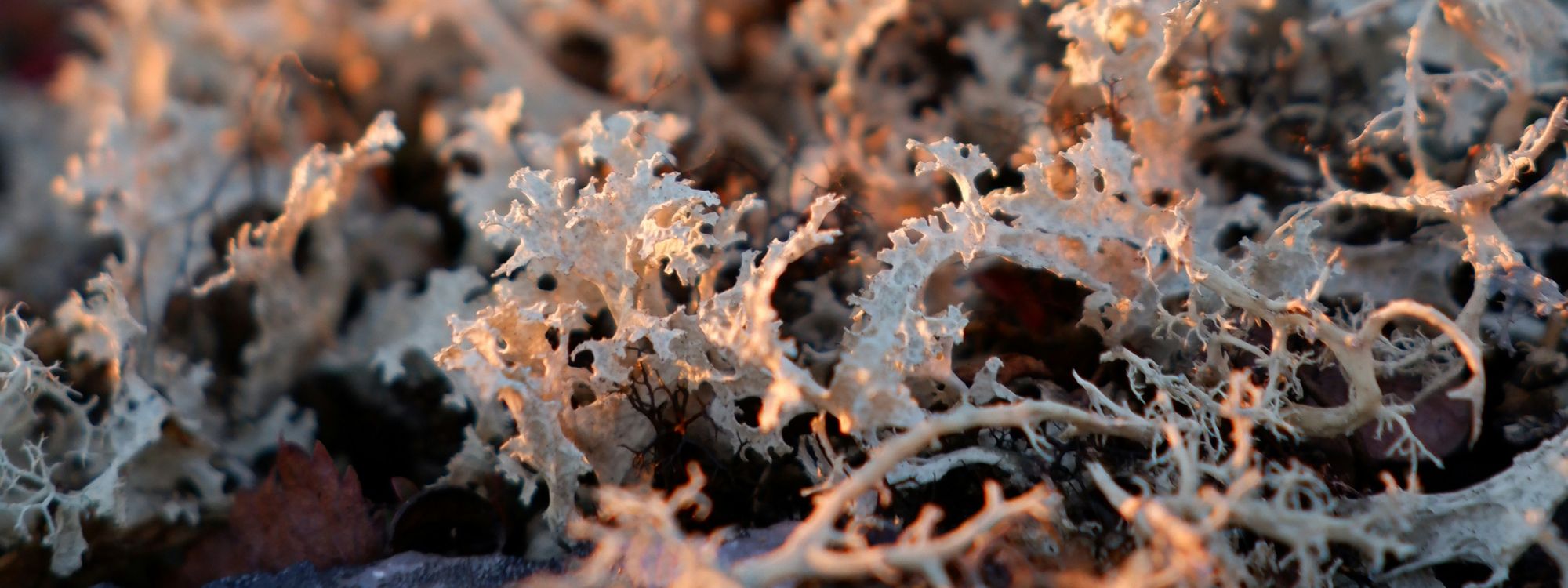
Icelandic Lichen, scientifically known as Cetraria islandica, is a unique organism that belongs to the Parmeliaceae family. This fascinating life form is predominantly found in mountainous terrains where it thrives in harsh and unforgiving conditions. Also known as Icelandic moss, this lichen is not just a simple plant but a complex symbiotic relationship between a fungus and an alga.
One of the most intriguing aspects of Icelandic Lichen is its rich chemical composition. It contains a variety of compounds that contribute to its unique properties. These include:
The part of the lichen used in herbal preparations is the thalli, which is the visible, leaf-like structure of the lichen.
Icelandic Lichen has a long history of use in herbal medicine due to its unique properties. The usnic acid it contains has been found to have bactericidal activity, making it potentially useful in fighting bacterial infections. Meanwhile, the mucilages in the lichen have gastroprotective properties, meaning they may help protect the digestive system.
Icelandic Lichen is also used as an anti-inflammatory agent. It can be used for gargling to help alleviate the symptoms of pharyngotonsillitis, thanks to its mucilaginous extracts.
While Icelandic Lichen has many potential benefits, it's important to note that it's not suitable for everyone. Those with gastritis and peptic ulcers should avoid it due to the presence of bitter principles that can exacerbate these conditions. Additionally, people with confirmed hypersensitivity to one or more components of the lichen should also steer clear of it.
Icelandic Lichen can interact with certain types of drugs, particularly NSAIDs (non-steroidal anti-inflammatory drugs) and gastro-injurious drugs. If you're taking any medication, it's always a good idea to consult a healthcare professional before adding Icelandic Lichen to your regimen.