Tonsillitis: Symptoms, Treatments, and Natural Remedies
Tonsillitis is a common health condition that affects the tonsils, immune-boosting lymphoglandular organs located in the nasopharynx. These organs, which resemble almonds in shape, play...


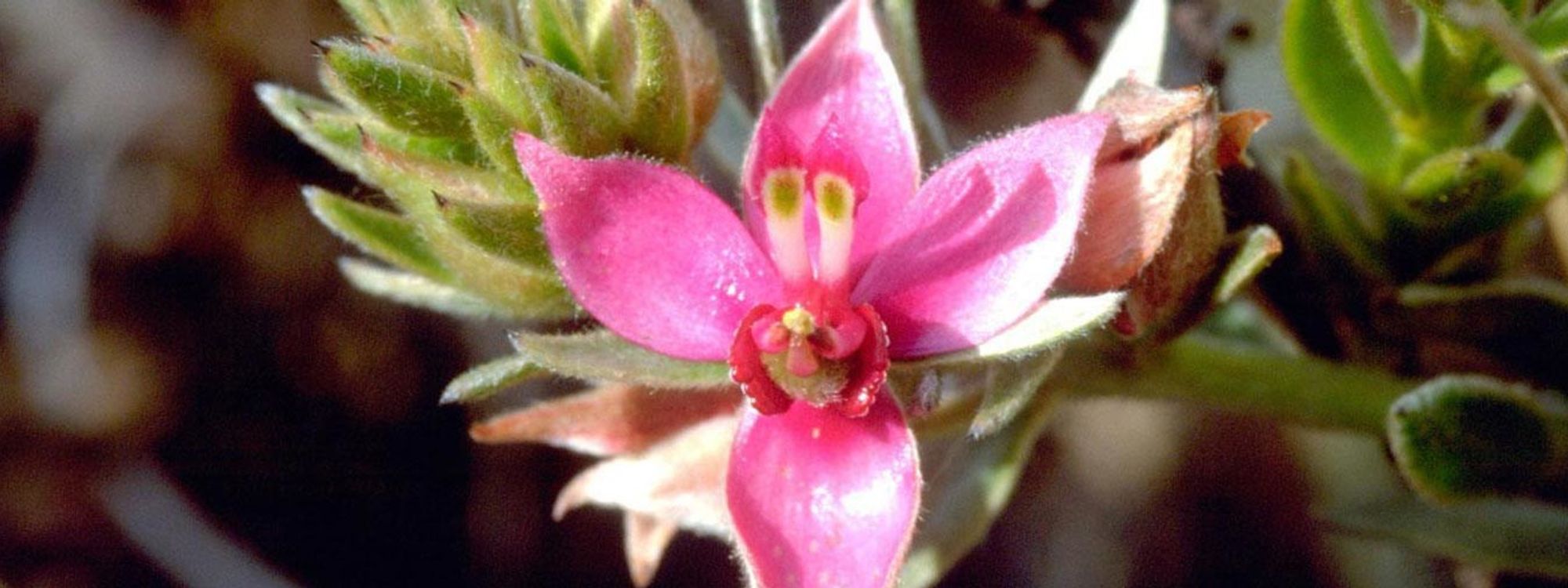
In the world of herbal medicine, there is a vast array of plants and herbs that have been used for centuries to treat various ailments. One such plant, known scientifically as Krameria Triandra, has been used for its medicinal properties for many years.
Krameria Triandra, also known by its common name as Rhatany or Peruvian Rhatany, belongs to the Caesalpinaceae family. This plant is native to the mountainous regions, specifically the Andes mountain range, which is known for its diverse and unique flora.
The primary part of the plant used in herbal medicine is the root, which is processed into a drug form as per official pharmacopoeia guidelines.
The medicinal properties of Krameria triandra—commonly known as rhatany—are largely attributed to its complex and bioactive chemical composition. The root, which is the primary medicinal part, contains several compounds that contribute to its therapeutic effects.
The most important constituents are catecholic (condensed) tannins, particularly ratanotannic acid.
Tannins are the main reason rhatany root has been historically included in herbal mouthwashes and gargles.
Krameria triandra also contains lipophilic benzofuran compounds, particularly a group of neolignans known as ratanhiaphenols.
Flavonoids are plant polyphenols known for:
Although not present in extremely high concentrations compared to tannins, flavonoids may contribute to the overall protective and anti-inflammatory profile of the root.
The plant contains small amounts of N-methyltyrosine, an amino acid derivative.
These include:
Mucilages are particularly relevant because they:
Krameria Triandra is known for its diverse range of medicinal properties. Its primary uses include:
The extracts of Krameria Triandra should be prescribed by a healthcare professional and used for short periods. The typical dosage is 5-10 drops of the tincture in a glass of water, taken two or three times a day.
While Krameria Triandra has numerous medicinal benefits, it's important to be aware of potential contraindications and pharmacological interactions. Individuals with a proven hypersensitivity to one or more of the plant's components should avoid using it.
One key pharmacological interaction to be aware of is with iron. The tannins in Krameria Triandra can precipitate iron salts, which could potentially interfere with iron absorption in the body.