Asthenia: Causes, Symptoms, Diagnosis, and Treatment
Asthenia refers to a condition characterized by persistent, abnormal weakness or lack of energy. It is not a specific disease but rather a symptom that can be associated with...


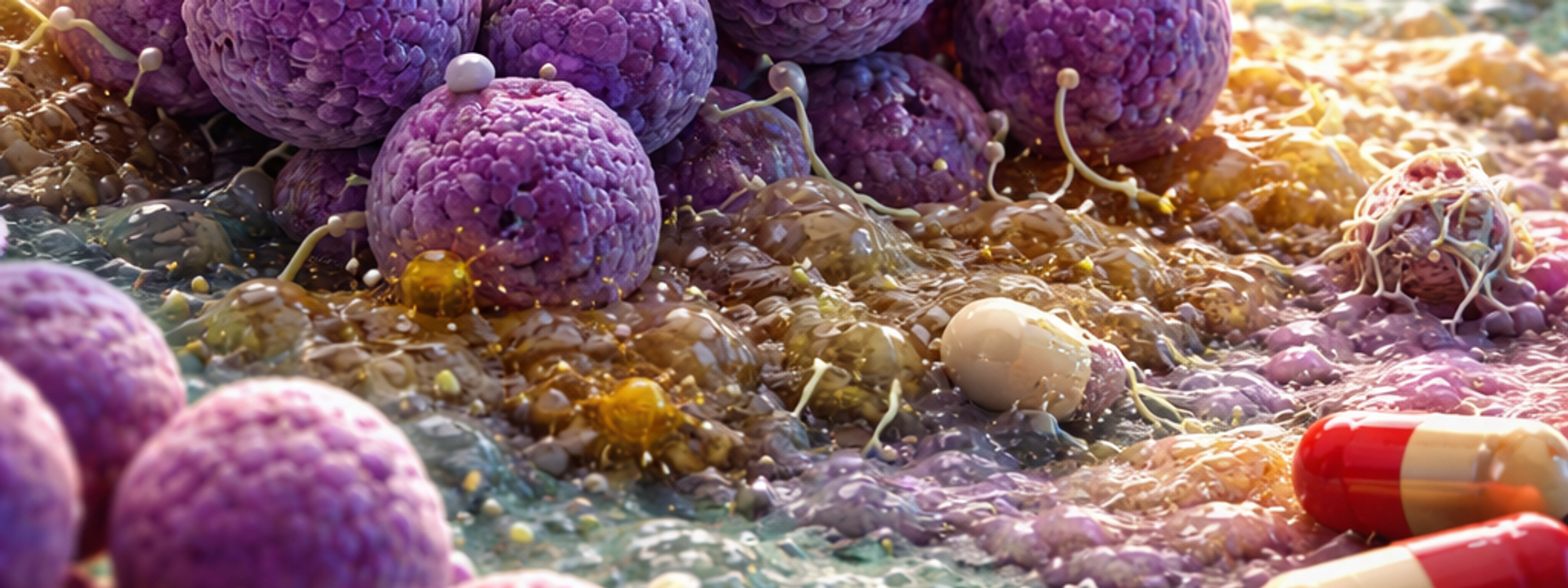
Staphylococcus epidermidis is a ubiquitous gram-positive bacterium that naturally exists on human skin and in mucous membranes. While typically non-pathogenic and non-invasive, this microorganism can become pathogenic under certain conditions, leading to various infections.
Staphylococcus epidermidis belongs to the Staphylococcus genus, comprising 33 species. This gram-positive bacterium is highly resilient, immobile, and typically clusters together. After overnight incubation, it forms white colonies that measure 1-2 millimeters in diameter. It does not produce haemolysis on blood agar medium, making it a non-haemolytic bacterium.
Staphylococcus epidermidis is catalase positive, coagulase and oxidase negative, and facultative anaerobic. Not all strains of this bacterium are fermenters. Biochemical tests have revealed several interesting characteristics, including:
Distinguishing between Staphylococcus epidermidis and Staphylococcus saprophyticus is crucial in bacterial detection tests, as both are coagulase negative and share many similarities. However, they differ in their resistance or sensitivity to the antibiotic novobiocin.
Staphylococcus epidermidis forms a significant part of the normal skin and mucosal flora, and in healthy conditions, it does not disturb the host. It represents 65-90% of all staphylococci found on the skin, vagina, urethra, and oral cavity.
However, under certain conditions, Staphylococcus epidermidis can transition from a commensal to an opportunistic pathogen. It tends to cause harm in immunocompromised individuals, catheterized patients, those with surgical implants, or transplant recipients.
Although less common than Staphylococcus aureus, Staphylococcus epidermidis plays a significant role in nosocomial infections. This is largely due to the continuous use of disinfectant substances and antibiotics in healthcare facilities, which seems to have facilitated the selection of new, virulent strains of Staphylococcus epidermidis.
Staphylococcus epidermidis has a unique extracellular structure, the glycocalyx, which covers the external tissue surface. This layer acts as an adhesion tool, allowing the bacterium to stick to various surfaces such as skin and catheters. This ability to adhere to catheters makes Staphylococcus epidermidis a significant concern in hospital settings.
In patients with severely compromised immune systems, transplant recipients, or catheterized individuals, Staphylococcus epidermidis can cause sepsis or septicemia, endocarditis in individuals with artificial valves, and central venous catheter infections. Dialysis patients are also at risk of contracting Staphylococcus epidermidis infections.
Staphylococcus epidermidis exhibits significant resistance to antibiotics, likely due to the presence of the glycocalyx. This polysaccharide film not only enables the bacterium to adhere to various surfaces but also provides a form of protection from phagocytosis and antibiotics.
Despite this resistance, patients afflicted with infections caused by Staphylococcus epidermidis often respond positively to antibiotic treatment with vancomycin, potentially combined with rifampicin and aminoglycosides.
However, the best treatment for Staphylococcus epidermidis infections is prevention. This includes proper hygiene of hospital environments and medical instruments, and continuous and careful hand washing.