Power Index: Strength and Performance Insights
Muscle hypertrophy, the process by which muscle cells grow in size, is a critical aspect of fitness and bodybuilding. One of the key ways to...


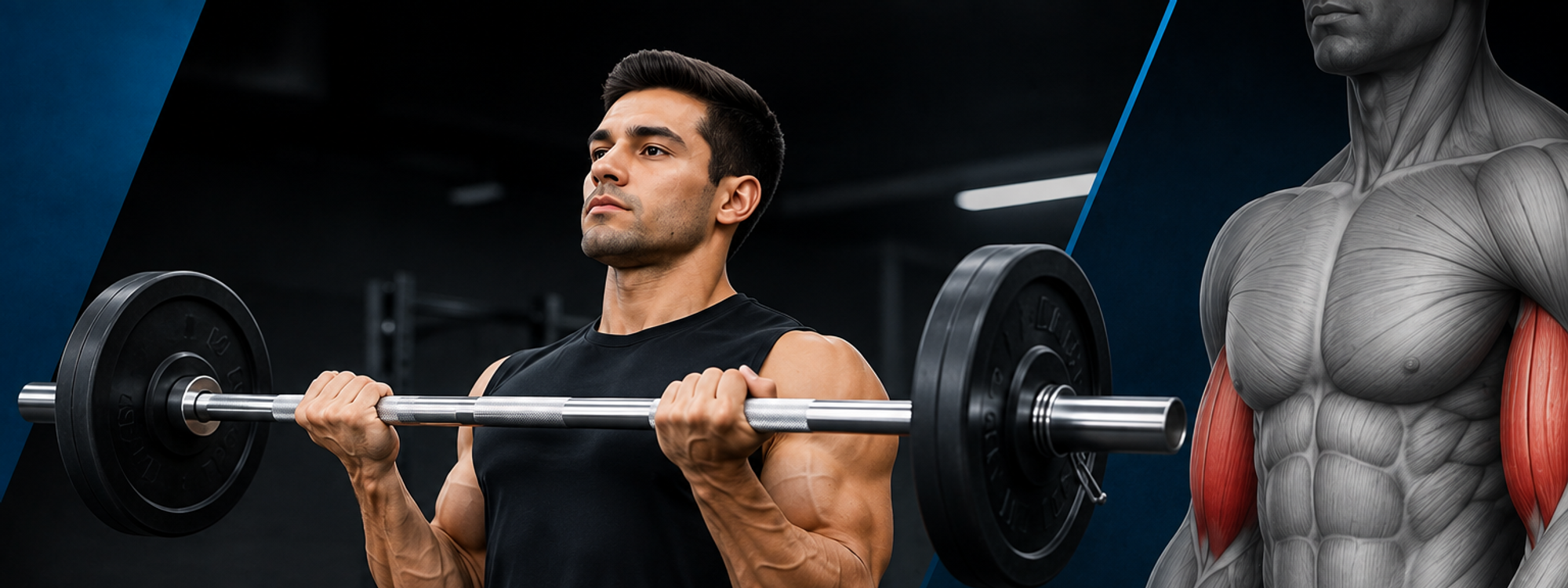
The supine barbell curl exercise is a popular choice among fitness enthusiasts who aim to strengthen their upper body, particularly the biceps. This exercise is also known by several other names including biceps curl, arm curl, and barbell biceps curl. In this blog post, we'll explain this exercise, discussing its execution, benefits, and the muscles it engages.
A supine barbell curl is a single-joint exercise that primarily targets the biceps. The term 'supine' refers to the position of the hands during the exercise - palms facing upward. The exercise involves the use of a barbell, which is a long metal bar to which weight plates are attached.
Performing a supine barbell curl requires attention to form and technique to ensure effectiveness and prevent injury.
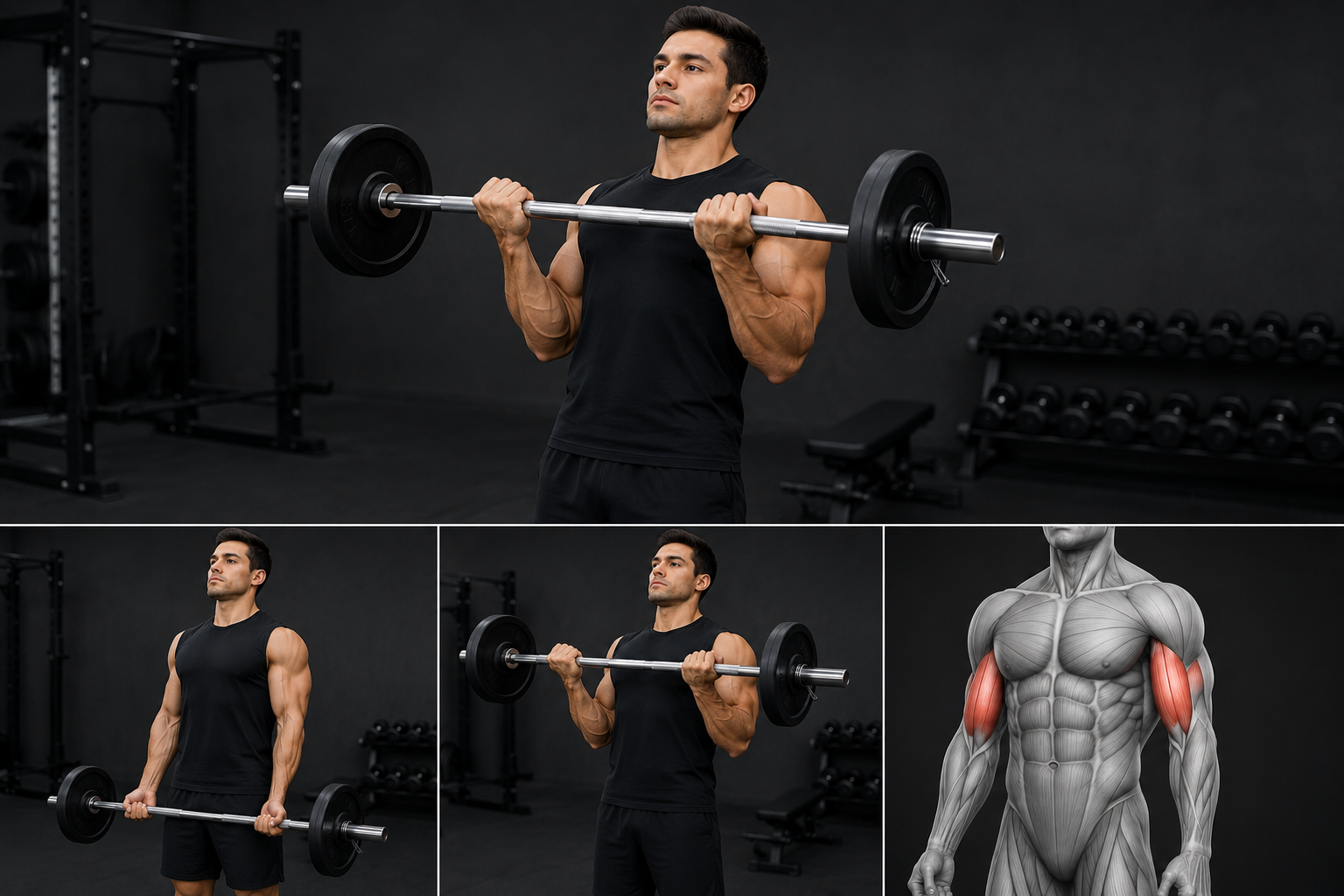
Stand upright with your knees slightly bent and your feet shoulder-width apart. Your back should be in a strong position, with your shoulder blades and shoulders extended and adducted. Hold the barbell with a supine grip at shoulder width, allowing it to rest on your quadriceps. Your wrists should be straight or flexed, but never extended.
Flex your elbows to lift the barbell, making sure to keep the rest of your body stationary. The movement should end at the maximum level of elbow flexion. Avoid flexing your shoulder or using your knees or pelvis for assistance as this is considered improper form.
The supine barbell curl engages several muscles in the upper body:
Moreover, the exercise also involves the stabilizing muscles which ensure stability of various body parts such as the shoulder, scapula, elbow, grip, torso, hip, knee, ankle, and foot.