Conjunctivitis: Causes, Symptoms, and Treatment
Conjunctivitis, commonly known as "pink eye," is a prevalent ailment, especially in children. It's an inflammation of the conjunctiva, the thin, clear tissue lining...


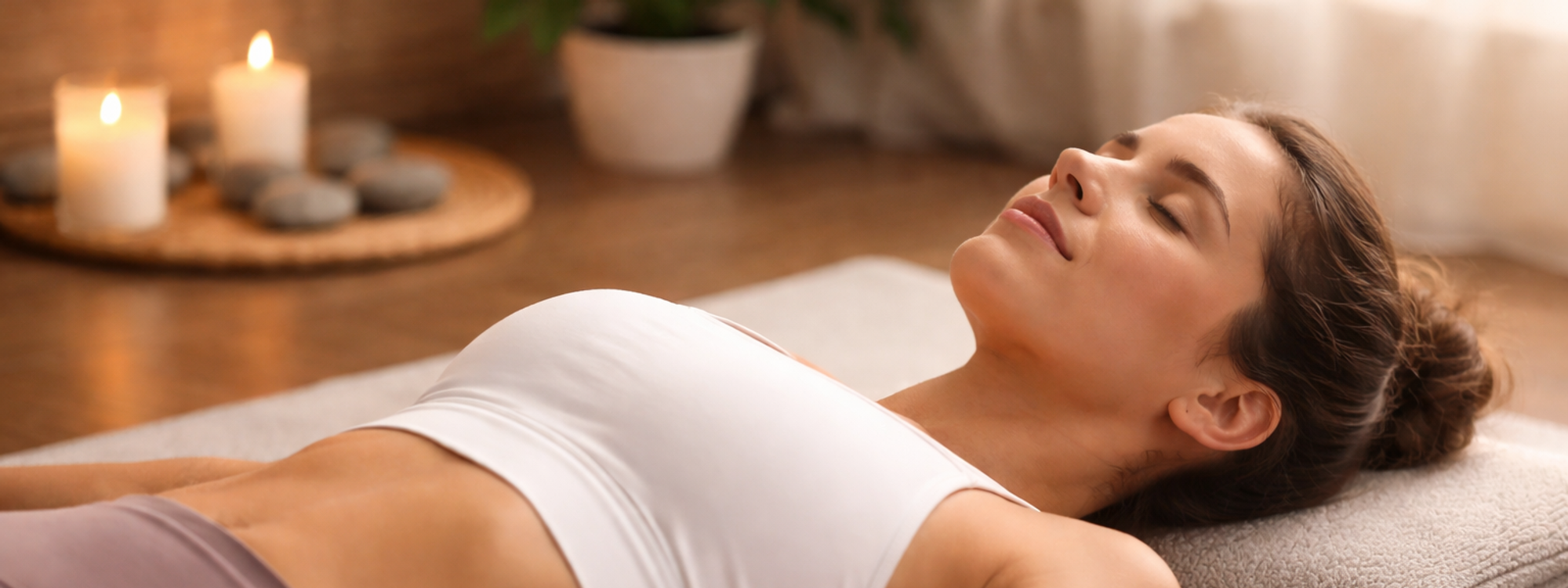
When we think about our muscles, we often associate them with movement and action, symbolizing dynamism and interaction with our environment. However, there's another aspect of muscle function that's equally important but often overlooked: relaxation.
Just as keeping our muscles toned and strong can protect us from certain disorders, learning to relax our muscles can significantly contribute to our overall physical and mental well-being.
Muscle relaxation serves two primary purposes:
By learning to relax your muscles, you can increase your awareness of changes in muscle tone and better manage your activation levels.
Jacobson’s Progressive Muscle Relaxation (PMR) is a self-relaxation technique that can be practiced independently once it has been properly learned from a trained professional. Its primary goal is to promote relaxation by systematically reducing muscle tension, thereby influencing the autonomic nervous system.
This method is particularly effective for managing stress and anxiety, conditions that are often associated with chronic muscle tension. The technique consists of alternating phases of intentional muscle contraction followed by deep relaxation, typically progressing through different muscle groups in a structured sequence, usually starting with the arms and gradually moving down to the feet. This process fosters heightened body awareness and leads to a state of generalized physical and mental relaxation.
Autogenic training is a relaxation method designed to induce a deep state of calm and self-regulation, supporting mental recovery and improved self-awareness. It is based on the passive concentration on two key bodily sensations: heaviness and warmth.
Through repeated practice, these sensations help activate the parasympathetic nervous system, promoting relaxation and emotional balance. Once the exercises have been learned under professional guidance, autogenic training can be practiced independently and regularly.
Biofeedback is a self-regulation technique that helps individuals gain conscious control over physiological processes that are usually automatic. It is widely used to improve stress management, emotional regulation, and performance optimization.
Biofeedback operates on two main levels:
The technique involves the use of electronic sensors and monitoring devices that provide real-time feedback on physiological functions. This feedback allows individuals to recognize stress responses and gradually learn how to modify them through relaxation and mental strategies.
Hypnosis is a technique in which a trained practitioner induces a hypnotic trance, a specific state of focused attention and heightened suggestibility. In this state, the field of consciousness becomes narrowed, allowing unconscious processes and internal experiences to emerge more clearly.
During hypnosis, changes may occur in various physiological functions, including:
It is important to note that these physiological responses are highly subjective and can vary significantly between individuals. Similar changes may also occur during other relaxation or meditative states, indicating that they are not exclusive to hypnosis itself.