Boost Brain Function with Cocoa Flavanols
In the realm of health and nutrition, the importance of a balanced diet for physical well-being is often emphasized. However, what is less frequently discussed...


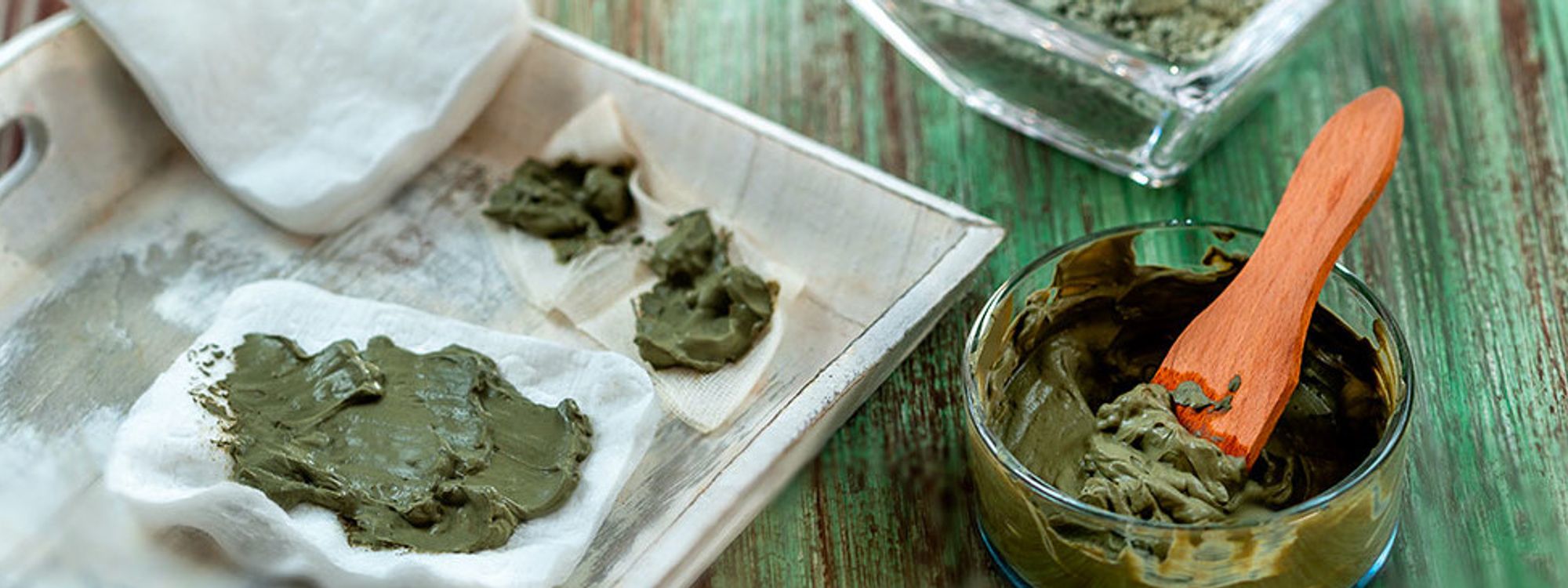
Green clay, a natural substance with a rich mineral composition, has been widely recognized in the fields of phytotherapy and cosmetics for its numerous beneficial properties. We will explain its composition, properties, and uses, providing a comprehensive view of this versatile substance.
Green clay is a product of the natural erosion of granite rocks. Over time, the weathering materials from these rocks re-deposit, forming a mixture of mineral compounds that make up green clay. It is this unique mineral composition that imparts green clay with its distinctive properties.
The primary components of green clay are various inorganic oxides, including silicon dioxide, aluminum oxide, ferric oxide, titanium dioxide, calcium oxide, magnesium oxide, manganese oxide, sodium oxide, and potassium oxide. Additionally, green clay may also contain other elements, metals, or ions such as zinc, copper, sulfur, carbon, nitrogen, phosphorus, and chlorine. The green hue of green clay is primarily due to its high content of trivalent iron.
The properties of green clay are influenced by several factors, including its chemical composition, place of origin, processing technique, and ion exchange capacity. Despite these variables, green clay is universally recognized for its:
There are various types of green clay available in the market, differing based on factors such as their place of origin and chemical composition. The processing method also plays a role in classifying green clay into types such as fine ground green clay, coarsely ground green clay, and ventilated green clay.
Green clay's myriad properties make it a versatile substance used in numerous situations.
In the cosmetic field, green clay is often used in the form of masks, compresses, and poultices for oily and acne-prone skin. Its antibacterial, purifying, detoxifying, and mildly exfoliating properties help to control excess sebum and improve the skin's appearance. It is also used to prepare masks for oily hair and is a primary component of anti-cellulite muds.
To prepare a clay mixture for external use, green clay is mixed with water until a spreadable consistency is achieved. Plant extracts or essential oils may also be added to enhance the mixture's effects.
Due to its strong adsorbent, chelating, and detoxifying capacity, green clay has been used in traditional medicines for treating gastrointestinal disorders and detoxifying the body. However, it is essential to seek medical advice before using green clay orally to ensure safety.
While green clay is usually well-tolerated when used externally, it can be too aggressive for individuals with sensitive skin. When taken internally, it can cause gastrointestinal disorders and reduce the absorption of certain drugs and nutrients. Long-term oral use can lead to deficiencies in potassium and iron, potentially causing serious side effects.
The internal use of green clay is contraindicated in cases of known hypersensitivity to the product, intestinal obstruction, gastrointestinal hernias, pregnancy, and breastfeeding.