Food Supplements: Role and Regulations
Food supplements are products designed to enhance the well-being of the body and to complement the regular dietary regimen. They are composed of components such...


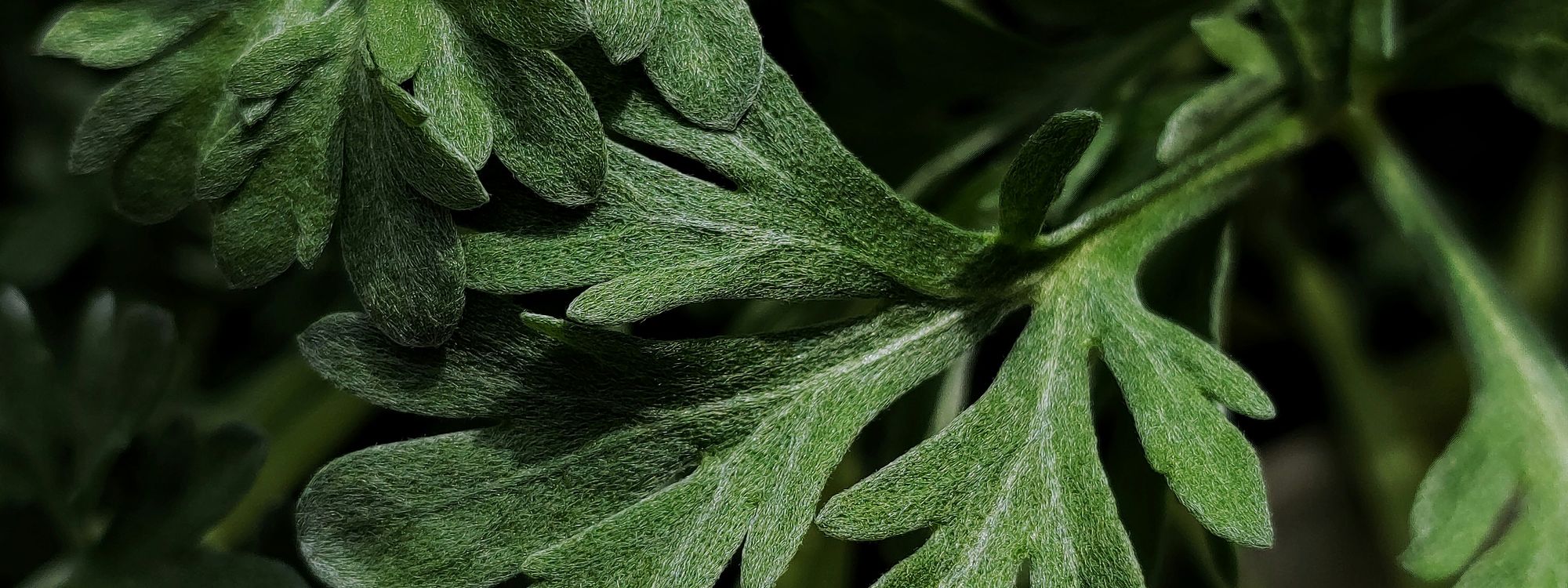
Absinthe, scientifically known as Artemisia absinthium, is an herbaceous plant known for its intense aroma and distinctively bitter taste. This plant, which is part of the Asteraceae family, has been recognized for its unique properties since ancient times. Today, it is primarily used in the production of various digestive bitters and liqueur wines.
Absinthe, more accurately known as Artemisia absinthium or common wormwood, is a herbaceous perennial plant belonging to the Asteraceae family. Despite sometimes being described as annual, it is typically a long-lived perennial under suitable conditions.
Wormwood is easily recognized by its distinctive appearance:
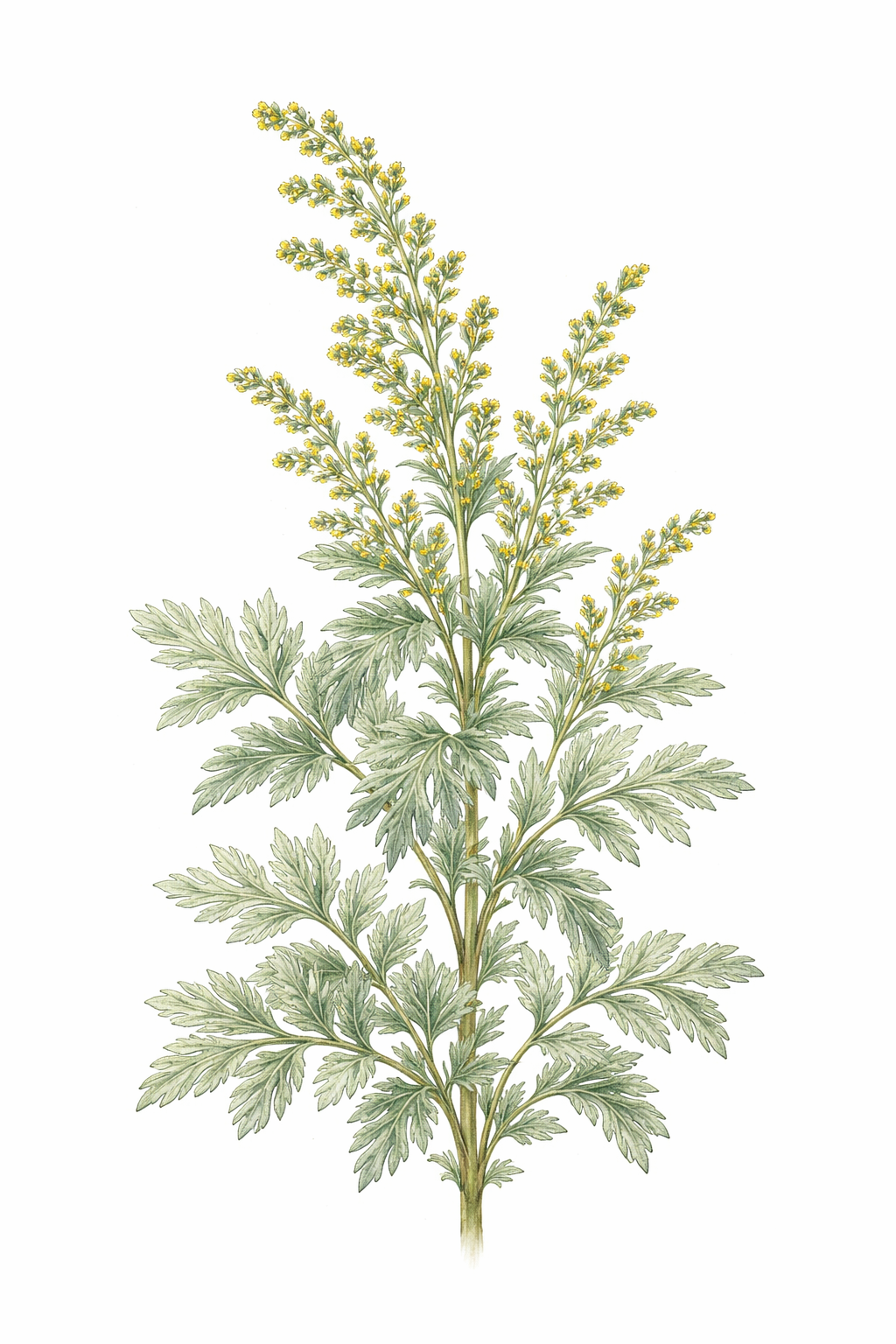
Wormwood is native to temperate regions of Europe, North Africa, and Western Asia, with a strong historical presence in central and southern Europe. Today, it is naturalized in many parts of the world, including North America.
It commonly grows:
The flowering tops—and occasionally the leaves—of the absinthe plant are valued for their complex and biologically active chemical profile. These parts contain several groups of compounds that contribute to both the characteristic properties and the potential risks of the plant.
The potential toxicity of absinthe is primarily linked to thujone, a compound that can affect the central nervous system at high doses. In addition, certain metabolites of the plant may contribute to its overall toxic profile when consumed in excessive amounts.
However, it is important to note that modern absinthe beverages are typically regulated to contain very low levels of thujone, significantly reducing the associated health risks when consumed in moderation.
In phytotherapy, absinthe is valued for its strong bitter principles, which stimulate several physiological functions, particularly those related to digestion.
Despite being a natural remedy, the use of absinthe is not without potential risks or contraindications. Some individuals may not tolerate absinthe well, and it can lead to unwanted effects such as nausea, vomiting, diarrhea, abdominal pain, dizziness, and headaches. In more serious cases or in the event of an overdose, convulsive crises may occur, mainly attributable to thujone.
Excessive consumption of absinthe-based alcohol or the use of the plant's essential oil can lead to serious side effects, including hypotension, alterations in heart rhythm, respiratory difficulties, and epileptiform convulsions.
Absinthe and its preparations should not be used by individuals with known allergies to the plant or any of its components. It's also contraindicated for those with disorders and pathologies such as gastritis, peptic ulcers, and epilepsy, as well as during pregnancy and breastfeeding.