The Importance of Breakfast: Fueling Your Day The Right Way
Do you often find yourself skipping breakfast due to the morning rush? Or perhaps you're not sure what constitutes a healthy breakfast? If so, this...


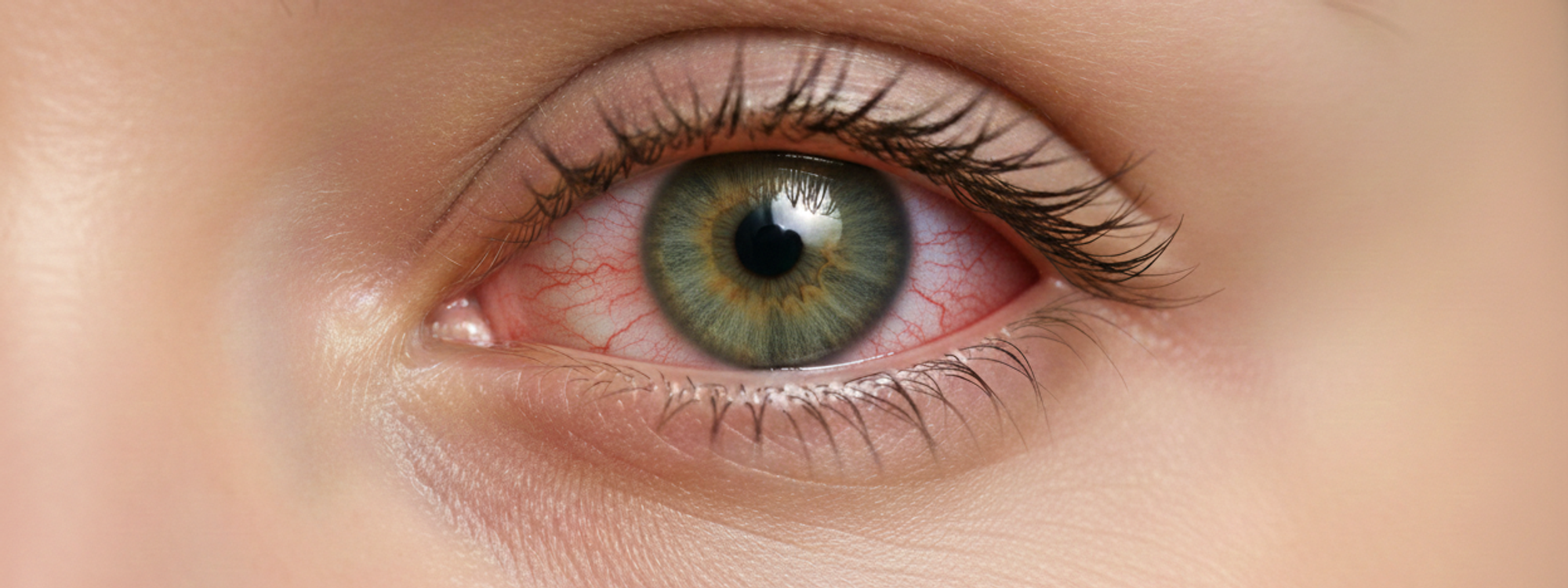
Hyperemia refers to the phenomenon where an excessive amount of blood is present in the vessels that supply a specific part of the body. This process can be entirely physiological, arising from an increase in a particular organ's metabolic activity. For instance, it can occur in muscles during exertion, in digestive system organs after meals, or during physiological responses like an erection.
Active hyperemia is a type of hyperemia that occurs as a result of increased metabolic activity in a certain organ or body part. This increased activity leads to a relaxation of the precapillary sphincters (tiny muscles that control blood flow into capillaries) and dilation of the arteriolar wall. This allows for a greater volume of blood to flow into the area, supplying the tissues with the necessary oxygen and nutrients they need to function efficiently.
Active hyperemia is a normal physiological response to increased demand. For instance, when a muscle contracts during physical activity, it requires more oxygen and nutrients to sustain its function. This demand triggers active hyperemia, increasing blood flow to the muscle and allowing it to continue functioning effectively.
On the other hand, passive hyperemia occurs when there is an impediment to normal blood flow, often associated with inflammatory processes. Unlike active hyperemia, which is a response to increased demand, passive hyperemia is a result of an obstruction or slowing down of blood flow.
This obstruction might be due to various factors, such as a blockage in the veins that drain blood from an organ, leading to a buildup of blood in the area. As a result, the organ or body part experiences an excess of blood, leading to passive hyperemia.
While passive hyperemia can occur as a physiological response in certain situations, it is often associated with pathological conditions. For instance, it can occur in areas of inflammation, where the body's immune response leads to changes in blood vessel function, resulting in an increased amount of blood in the area.