Worst and Best Cooking Methods for Vegetables
A well-rounded diet is incomplete without the inclusion of vegetables. They are a treasure trove of nutrients, offering a wide array of health benefits. However,...


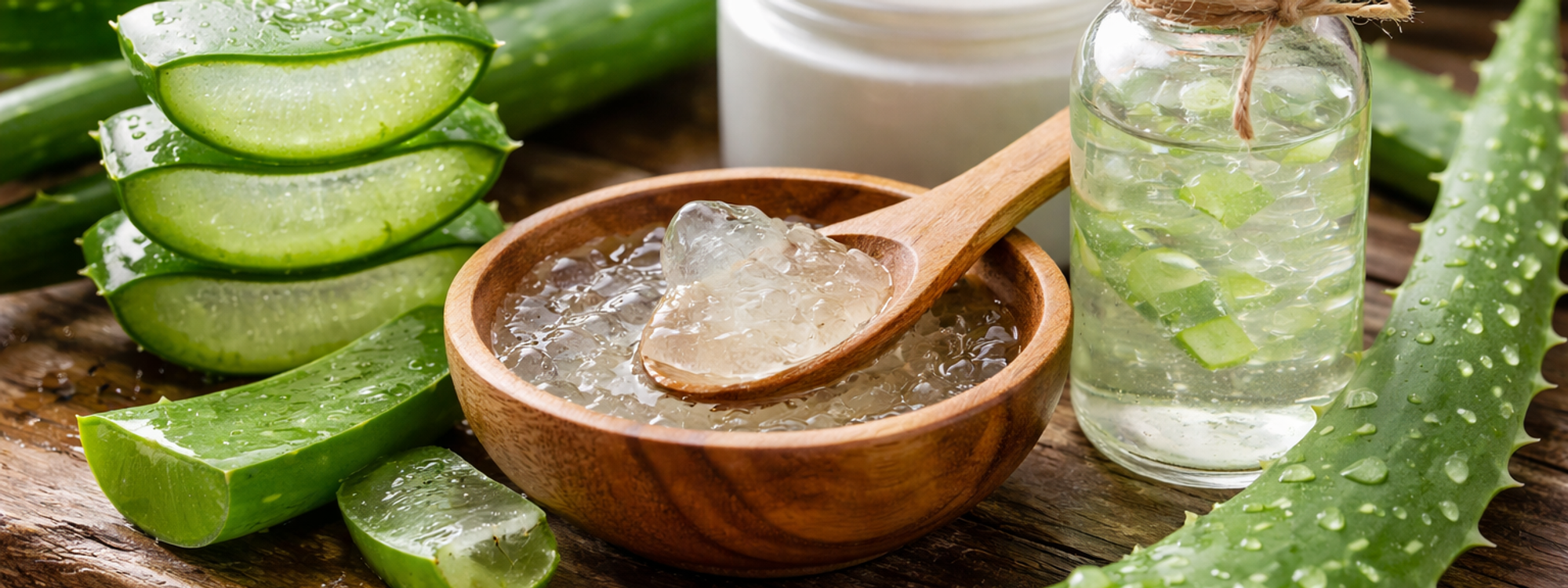
Aloe Vera, a plant from the Aloeaceae family, has long been admired for its wide range of uses. It is employed in various fields, including herbal and phytotherapeutic medicine, food, and cosmetics. This plant's popularity is due to its numerous properties, some confirmed, others disputed, and many still under investigation.
The leaves of the Aloe Vera plant produce two distinct substances—aloe juice and aloe gel—which differ significantly in chemical composition, physiological effects, and clinical use.
Aloe Vera juice is derived from the outer leaf layers and is particularly rich in anthraquinones, including aloin and aloe-emodin. Once these compounds reach the intestine, they exert a stimulant action on the intestinal mucosa.
Specifically, anthraquinones:
These mechanisms result in a strong laxative effect, making aloe juice effective in cases of occasional constipation. However, this action is intense and potentially irritating, especially when used in high doses or for prolonged periods. For this reason, aloe juice should be used with caution and is generally not recommended for long-term use or in individuals with sensitive intestines.
Aloe Vera gel is obtained from the inner, transparent portion of the leaf and has a completely different therapeutic profile. It is composed primarily of water, along with polysaccharides, amino acids, vitamins, enzymes, organic acids, mucilage, and plant hormones.
When taken orally, aloe gel is known for its gastroprotective and soothing properties. It can help relieve conditions such as:
These effects are attributed to its ability to:
As a result, aloe gel supports mucosal healing and digestive comfort without the irritant effects associated with aloe juice.
Beyond its laxative and gastroprotective properties, Aloe Vera is also recognized for its anti-inflammatory, healing, dermoprotective, immunomodulatory, antioxidant, and antibacterial properties.
Aloe Vera's anti-inflammatory action has been confirmed by several studies. It is believed that this activity is mediated by the inhibition of the production of prostaglandins, histamine, and leukotrienes.
Aloe Vera gel is also known for its healing properties and its ability to promote wound healing. It is widely used in cases of skin disorders such as sunburns, burns, erythema, irritation, and redness. These properties are attributed to the content of polysaccharides, plant hormones, and terpene compounds contained in the plant.
The acemannan contained in Aloe Vera has immunomodulatory properties. It works by stimulating the activity of macrophages, promoting the release of substances capable of strengthening the immune system and enhancing the activity of T cells.
Aloe Vera's antioxidant action is attributed to the various substances it contains, such as minerals and vitamins. Some studies have confirmed these properties, highlighting how anthraquinones can also be involved in this action.
Finally, Aloe Vera is known for its antibacterial properties. Most of the studies confirming these properties have been conducted in vitro, revealing that Aloe Vera extracts can exert an antibacterial action against microorganisms such as Pseudomonas aeruginosa, Staphylococcus aureus, Klebsiella pneumoniae, Streptococcus pyogenes, Escherichia coli, Enterococcus faecalis.
In conclusion, while many of Aloe Vera's properties seem to be supported by scientific studies, it's important to note that its use is not approved for the treatment of diseases and is not part of the composition of drugs, but only of food supplements. Therefore, even though Aloe Vera-based products are of natural origin and can be freely purchased, it is always advisable to seek medical advice before using them.