Everything You Need to Know About Dietary Salt
Dietary salts are the salts we consume in our diet, either from the food we eat or the salt we add to our meals. The most common dietary salt is sodium chloride...


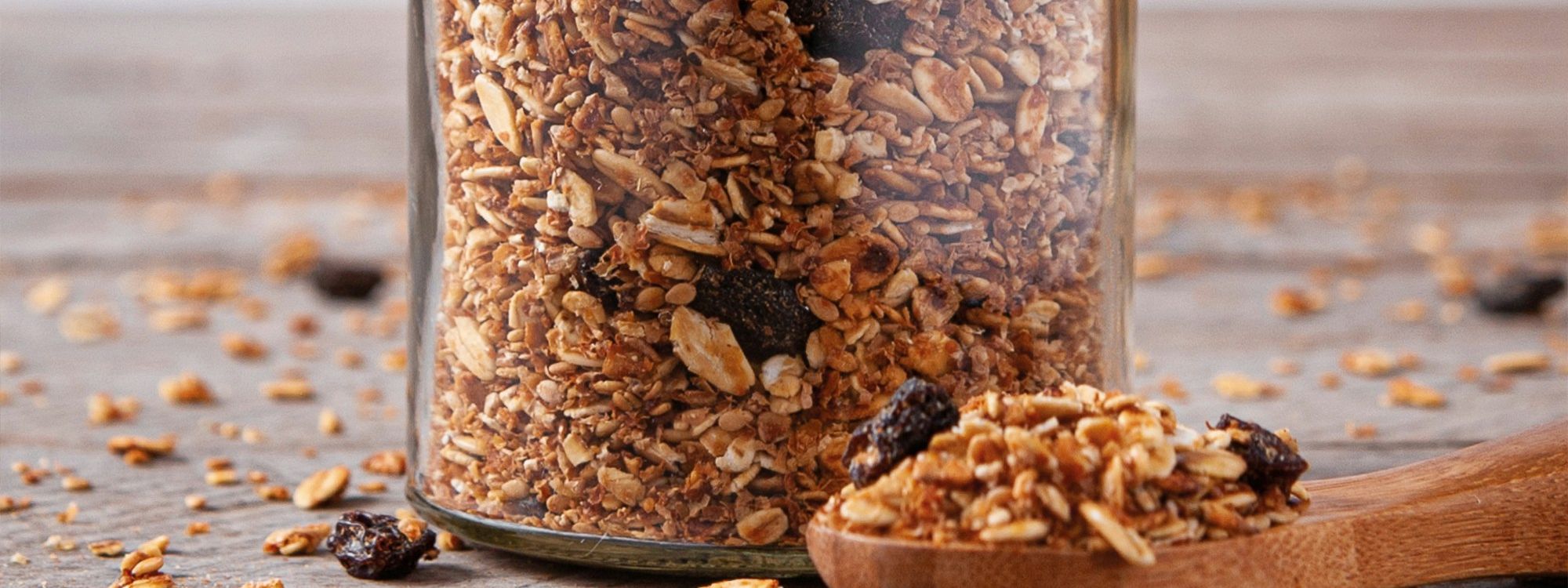
Granola, often mistaken for muesli, is a popular breakfast option that has been around for over a century. It is a versatile, nutritious, and delicious meal that can be enjoyed in a variety of ways. Let's learn what granola is made of, how it's used, its history, and its nutritional value.
At its core, granola is a blend of rolled cereal flakes, predominantly oats, mixed with dried fruits such as raisins, apples, and bananas, and oil seeds like hazelnuts and almonds. This mixture can either be homemade or purchased pre-packaged.
In addition to these classic ingredients, granola can be customized to include a variety of other dried fruits, oilseeds, cereals, or pseudocereals. This versatility makes granola a favorite for many, as it can be tailored to suit individual dietary preferences and nutritional needs.
Packaged granola typically consists of crushed and dried oats, often enriched with cornflakes and other ingredients like dried fruit and oil seeds. Some variations may include honey, spices, flavors, or even chocolate pieces. It's a convenient option as it can be stored for several months and served quickly.
Homemade granola, on the other hand, offers a fresh alternative. It involves soaking rolled and dried oats in water or fruit juice. Additional ingredients can include fresh or dehydrated fruit, oilseeds, dairy products or plant-based milk substitutes, lemon juice, seeds (like chia or hemp), spices (especially cinnamon), and honey.
Granola's high nutritional value and balance make it a staple for breakfast, brunch, and even as a mid-morning or afternoon snack. It pairs well with a variety of liquid or semi-liquid foods, enhancing its nutritional profile. Common pairings include milk, yogurt, vegetable milk, coffee, hot chocolate, freshly squeezed citrus fruit juice, and fruit juice.
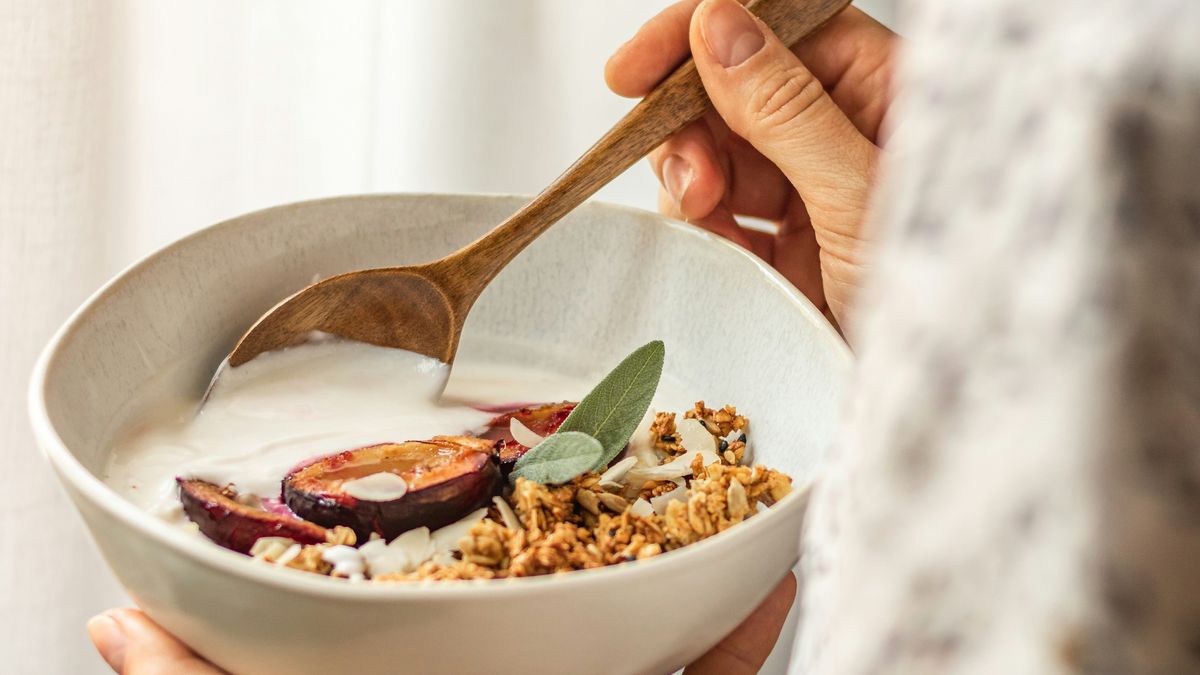
Adding fresh fruit pieces to granola is also a common practice, which not only enhances the flavor but also boosts the nutritional value.
Granola was conceived in the early 1900s with the intention of creating a healthy and complete food for hospital nutrition. The initial recipe was inspired by a similar dish and was simply called "the dish".
In its modern form, granola gained popularity in the West in the 1960s, thanks to a growing interest in health, food, and vegetarian diets. The original granola was soaked overnight in water and lemon juice, and then consumed with yogurt.
Granola is rich in fiber and "good fats", with its sweet flavor attributed to the carbohydrates in raisins and other dried fruits. Oat flakes provide a source of complex carbohydrates and fructose, ensuring ample energy availability. Oilseeds contribute a fair amount of unsaturated fats, some polyunsaturated, and proteins of medium biological value.
Granola also contains various water-soluble vitamins of group B, vitamin A, and modest quantities of vitamin E. The mineral content is commendable, including potassium, phosphorus, magnesium, zinc, iron, and calcium.
The fiber content is notable, and there's an interesting contribution of antioxidant polyphenols. However, cholesterol is absent. The caloric value of granola is closely linked to the type of ingredients used and averages between 300 and 400 kilocalories per 100 grams.