Herbal Tea for Colds
In the face of common ailments such as the temporary viral illness known as the common cold, many turn to natural remedies as a form...


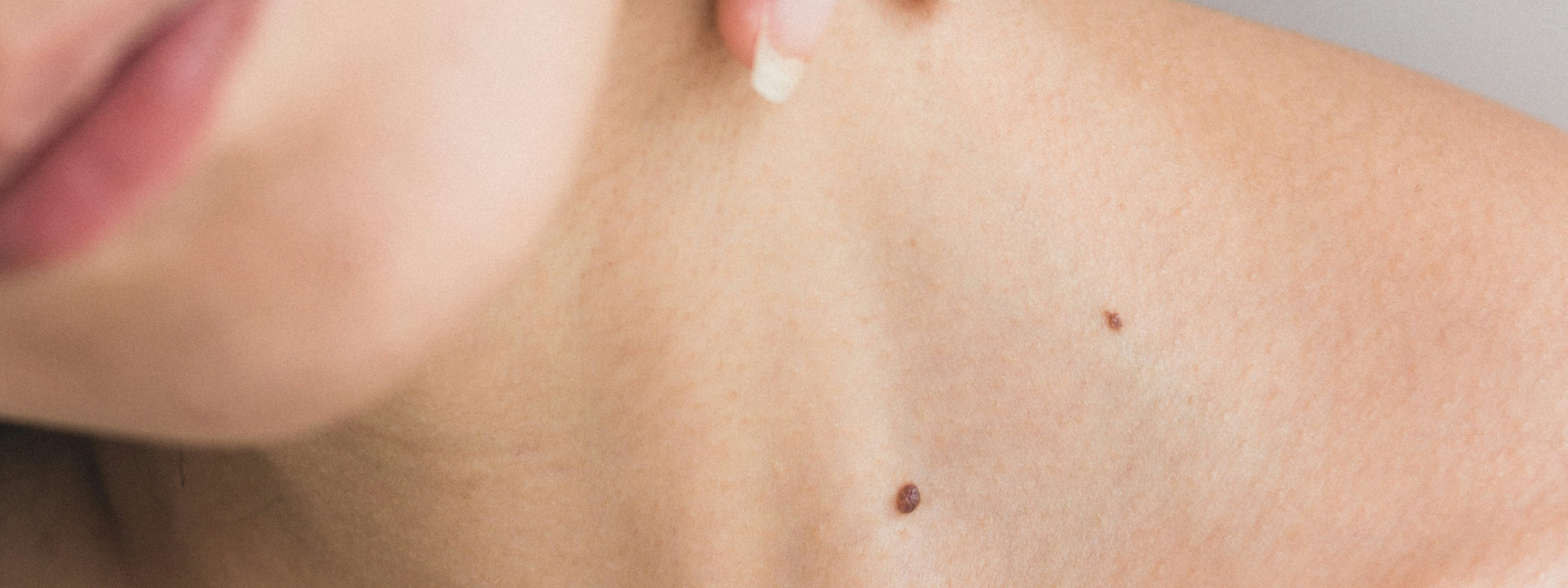
The pursuit of smooth, soft skin is a universal desire, often perceived as an unattainable aspiration. However, with the right approach and the correct products, it is entirely possible to achieve and maintain a flawless complexion.
The foundation of smooth, soft, and resilient skin lies in a healthy lifestyle. Skin is a dynamic organ that reflects internal health, making daily habits a key factor in its appearance and function.
Regular exercise improves blood circulation, which enhances the delivery of oxygen and nutrients to skin cells. This process supports cell renewal and helps maintain a natural, healthy glow. Physical activity also promotes the elimination of toxins through sweating, contributing to clearer skin.
A well-structured diet is essential for skin integrity. Key nutritional components include:
Adequate hydration is equally important. Water helps maintain skin moisture, supports detoxification processes, and improves overall skin texture.
Certain lifestyle choices can significantly impair skin health:
Quality sleep is often overlooked but plays a crucial role in skin regeneration. During sleep, the body increases cell turnover and repairs daily damage. Poor sleep can result in dull complexion, dark circles, and reduced skin resilience.
The effectiveness of skincare products depends largely on how well they match an individual’s skin type. Using unsuitable products can worsen common concerns such as dryness, excess oil, or sensitivity. For this reason, identifying your skin type is the first essential step in building an effective skincare routine.
A good skincare product should be well-tolerated, non-comedogenic (not pore-clogging), and suited to the skin’s physiological needs. While products containing natural extracts can be beneficial, “natural” does not automatically mean safer or more effective.
Oily skin is characterized by excess sebum production, enlarged pores, and a higher tendency toward acne. With proper care, it can become clearer and more balanced.
Overuse of harsh or drying products can trigger increased sebum production, worsening the condition.
Dry skin lacks sufficient lipids (fats) and moisture, leading to tightness, flaking, and sometimes irritation. The goal is to restore the skin barrier and retain hydration.
Consistency is critical for improving skin texture and preventing further dehydration.
Combination skin presents both oily and dry areas, typically with an oily T-zone (forehead, nose, chin) and drier cheeks. This requires a balanced and adaptable approach.
Avoid overly aggressive or excessively rich treatments, as they can disrupt the skin’s balance and lead to irritation or increased oil production.
Regardless of skin type, some general precautions can enhance the effectiveness of skincare routines:
Smooth skin also implies the absence of unwanted hair. Various hair removal methods can help achieve this, and the choice depends on individual preference, the desired duration of results, and skin sensitivity. Some common methods include waxing, depilatory creams, shaving, electric epilators, needle electroepilation, pulsed light photothermolysis (IPL), and laser hair removal.
Each of these methods has its pros and cons, and what works best will vary from person to person. However, with the right approach, achieving smooth, soft, and hair-free skin is entirely within reach.