Cricket Flour: The Advent of Insect-Based Foods
In recent years, there has been a significant shift in the food industry towards more sustainable and alternative sources of nutrition. One such alternative is...


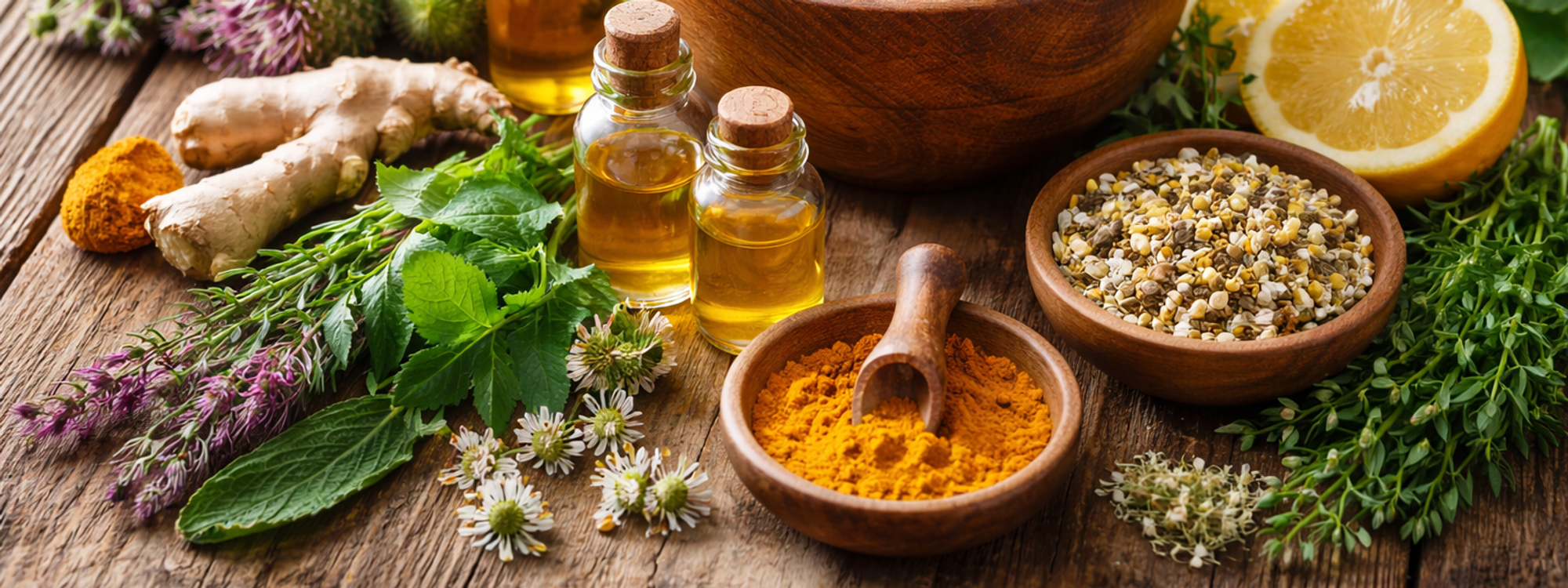
We sometimes come across the term 'stomachic.' It is a term used to describe substances, pharmaceuticals, or herbal preparations that can stimulate both the peristalsis (contractions) of the stomach and the secretion of gastric juices, aiding digestion. These remedies are not limited to pharmaceuticals; many plants possess these beneficial properties.
Stomachic plants, also known as aperitifs, cholagogues, or choleretics, have been part of traditional medicine systems for centuries. They are believed to enhance digestion by promoting the movement and secretions of the stomach. Let's take a closer look at these terms:
Numerous medicinal plants and natural supplements exhibit stomachic properties, meaning they support digestion by stimulating appetite, digestive secretions, and bile flow. These plants are commonly classified into aperitif, cholagogue, choleretic, and bittering categories. While these groups often overlap, each plays a distinct role in digestive health.
Aperitif plants stimulate the appetite and prepare the digestive system for food intake. They are particularly useful in cases of loss of appetite, convalescence, or functional digestive disorders.
Common aperitif plants include:
These plants are often taken before meals as teas, tinctures, or digestive bitters.
Cholagogue plants stimulate the release of bile from the gallbladder, improving the digestion of fats and supporting regular bowel movements. They are commonly used for sluggish digestion and biliary insufficiency.
Examples of cholagogue plants include:
Choleretic plants stimulate bile production in the liver, enhancing fat digestion and the absorption of fat-soluble vitamins (A, D, E, and K).
Common choleretic plants include:
Bittering plants exert their effects through their bitter taste, which stimulates taste receptors and triggers reflex digestive responses. This leads to increased secretion of saliva, gastric acid, bile, and digestive enzymes.
Well-known bittering plants include:
These plants are widely used in digestive bitters and herbal formulations designed to improve overall digestive efficiency.
While natural remedies offer numerous benefits, it's crucial to approach them with caution. Not all remedies have been confirmed by sufficient experimental tests conducted with a scientific method. Each natural remedy also carries potential risks and contraindications.
Before starting any new treatment, it's essential to consult with a healthcare professional to ensure the absence of contraindications and pharmacological interactions.